Online Air Safety Investigation Training – Method and Regulations (ICAO Annex 13)
Learn how to conduct a safety investigation after an accident, a serious incident or an occurrence, from evidence collection to safety recommendations, in line with ICAO Annex 13 and Regulations (EU) No 996/2010 and No 376/2014.
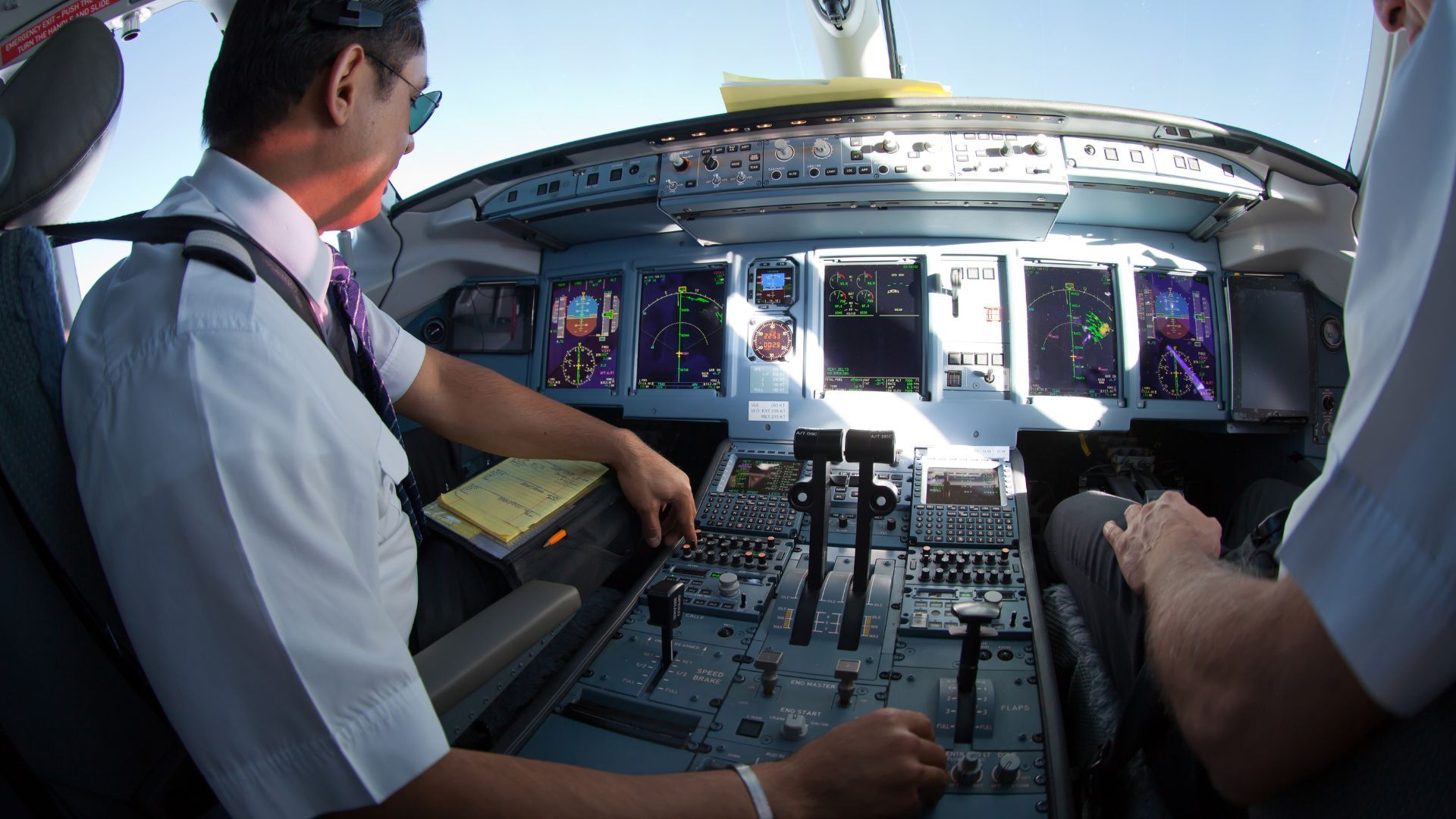
Air Safety Investigation: Method and Regulations (ICAO Annex 13)
Master air safety investigation, from occurrence to recommendation. When an accident, a serious incident or a simple safety occurrence happens, the quality of the investigation determines the quality of prevention.
This e-learning course gives you a rigorous method to conduct a safety investigation within an airline or an aviation organisation. It follows the framework of ICAO Annex 13, Regulation (EU) No 996/2010 and Regulation (EU) No 376/2014.
INDIVIDUAL ENROLMENT
CORPORATE & GROUP RATES
Online
course
8 videos + 6 case study packs
Alain François
Quizzes, final exam and written assignment
About 15 hours
€350
Course objectives
A rigorous investigation method, from occurrence to recommendation
When an accident, a serious incident or a safety occurrence happens, the quality of the investigation determines the quality of prevention. The purpose of a safety investigation is not to apportion blame or liability, but to prevent the occurrence from happening again. This course gives you the method and the regulatory references to conduct an internal investigation within an airline or an aviation organisation.
By the end of the course, you will be able to:
- Place the investigation within ICAO Annex 13, Regulation (EU) No 996/2010 and Regulation (EU) No 376/2014
- Classify an occurrence (accident, serious incident, incident) and decide whether to open an investigation
- Plan the investigation, protect and collect the evidence, and use the flight recorders
- Analyse human and organisational factors with the SHELL and Reason models
- Separate facts, analysis and conclusions, then write useful and verifiable safety recommendations
- Write an investigation report that follows the Annex 13 format
Teaching method
Narrated videos in English and case study packs.
A running case study, from notification to the final report.
Target audience
Quality and compliance managers.
Flight and cabin crew, maintenance and operations staff.
Airlines, Part-145 and CAMO organisations, airports and air navigation service providers.
Assessment
A validation quiz at the end of each module (80% correct answers required).
A 20-question final exam (80% correct answers required). A second attempt is available if you fail.
A written assignment: an investigation report on the AC-512 case, marked by the trainer (8/10 required).
Once you have passed all the assessments, your personal certificate is released online and you are notified by email. It can be added to your training records in line with your organisation’s policy.
Content
Regulatory and institutional framework: ICAO Annex 13, Regulation (EU) No 996/2010, Regulation (EU) No 376/2014, the parties to an investigation.
Fundamental safety concepts: systemic causation model, classification of occurrences, decision to investigate.
Conducting the investigation: notification, planning, protecting and collecting evidence, interviews.
Technical investigations: flight recorders (FDR, CVR), examination of systems and wreckage.
Human and organisational factors: SHELL and Reason models, just culture.
Reporting: analysis, conclusions, safety recommendations and final report, illustrated by a running case study.
Benefits
- Conduct structured internal investigations that stand up to an authority audit.
- Identify root causes rather than individual errors alone.
- Produce recommendations that genuinely reduce risk, with measurable follow-up.
- Strengthen your SMS and just culture within your organisation.
Prerequisites
Understand and read English. Basic knowledge of flight operations, maintenance or safety management. Experience in an airline, a Part-145 or CAMO organisation, an airport or an air navigation service provider is an advantage.
YOUR CERTIFICATE, SIGNED BY A QUALIFIED TRAINER
Training based on ICAO Annex 13 and Doc 9756, ICAO Annex 19 and Doc 9859, and Regulations (EU) No 996/2010 and No 376/2014. Your certificate is signed by our lead trainer, Alain François, an aviation quality professional with 25+ years of experience who has held Part-145 certifying staff authorisations. It can be presented as evidence of training during organisation audits.
4,000+ professionals trained in 17 countries.
Course content
Frequently asked questions about the Air Safety Investigation course
1. What is the Air Safety Investigation course?
This online course teaches the safety investigation method defined by ICAO Annex 13: notification, evidence collection, analysis, conclusions and safety recommendations. It applies to internal investigations carried out by airlines and aviation organisations.
2. What is the difference between a safety investigation and a judicial investigation?
The sole objective of a safety investigation is the prevention of accidents and incidents. Unlike a judicial investigation, it does not seek to apportion blame or liability. Annex 13 and Regulation (EU) No 996/2010 guarantee this independence.
3. Who is this course for?
Safety managers and internal investigators, quality and compliance managers, and operations and maintenance staff of airlines, Part-145 and CAMO organisations, airports and air navigation service providers.
4. How does the course work?
The course is 100% online and in English. It has 8 modules with narrated videos, case study packs and quizzes, for a total of about 15 hours, taken at your own pace.
5. How am I assessed?
Each module ends with a quiz (80% correct answers required). A 20-question final exam (80% required, with a second attempt if you fail) and a written assignment, the investigation report on the AC-512 case marked by the trainer (8/10 required), complete the assessment.
6. How do I get my certificate?
As soon as you have passed all the assessments, your personal certificate is released online in the ‘My Certificates’ section and you are notified by email.
7. Is the certificate recognised by aviation authorities?
The personal certificate is signed by a qualified trainer. It can be added to the learner’s training records and presented as evidence of training during audits, in line with your organisation’s policy.
8. Which regulatory texts are covered?
ICAO Annex 13 and Doc 9756, ICAO Annex 19 and Doc 9859 (safety management), Regulation (EU) No 996/2010 on investigations and Regulation (EU) No 376/2014 on occurrence reporting.
9. Do you offer corporate and group rates?
Yes. To enrol several colleagues or organise a videoconference session for your organisation, request a quote: we reply within 48 hours.
10. Can I take the course from any country?
Yes. The course is available online from any country, on a computer, tablet or smartphone.
RECOMMENDED COMPLEMENTARY COURSES
Online EASA Part-CAMO Training – Continuing airworthiness management
Why? Many investigation recommendations lead to continuing airworthiness actions: maintenance programme, reliability, airworthiness directives.
Alain François