FOD training overview
Foreign Object Debris / Damage
Online FOD Training – Part 21 G Production Organisations
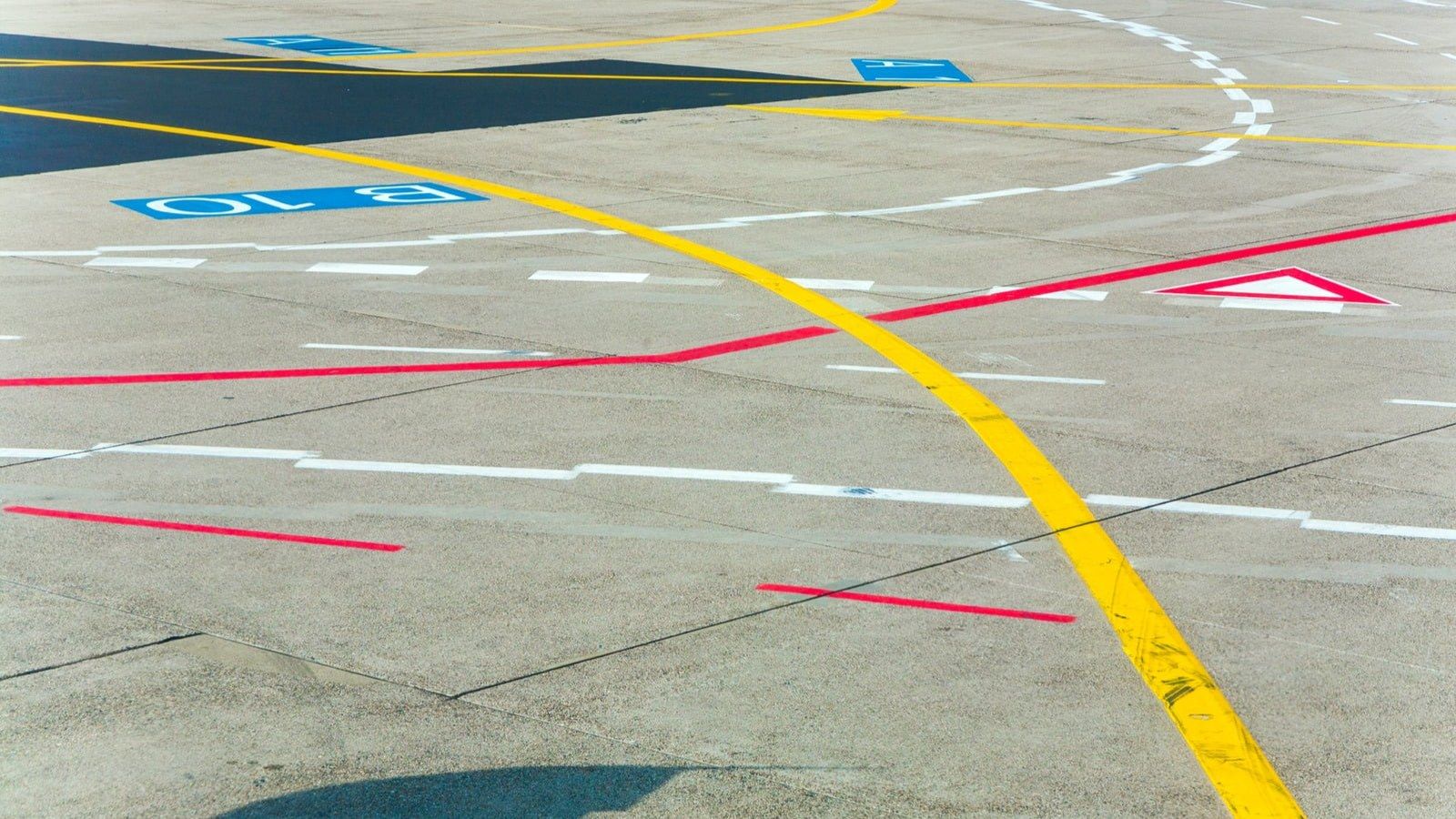
FOD Foreign Object Debris / Damage Training – Production Organisations (Part 21 Subpart G)
FOD training applied to production sites: production management system, site FOD programme, close-up inspection and product release. Manufacturing – Assembly – Acceptance testing
Corporate & Group Rates
Online course
Videos + 7 PDF study sheets
Alain François
3 quizzes + final examination
About 2 hours
€30 excl. VAT
Course objectives
- Understand where FOD fits in the production management system of a Part 21 G organisation.
- Build and run the site FOD programme: areas, responsibilities, indicators.
- Carry out close-up inspections before closing an area or a sub-assembly.
- Secure product release (EASA Form 1) against the FOD risk.
- Identify FOD sources in manufacturing, assembly and acceptance testing.
Teaching method
Accident report studies
Real-life examples
Who should attend
Assessment
The whole training must be completed: the common-core videos, the study sheets and the three modules.
Each module ends with a 5-question practice quiz.
A certificate is issued after a final examination (20-question multiple-choice test, 40 minutes).
80% correct answers are required (16 out of 20).
Content
• Common core: FOD, its sources and its consequences (videos)
• The most common appearance of FOD
• Examples of accidents caused by FOD
• How to perform a FOD analysis
• Module 1 – Regulatory framework and management system
• Module 2 – FOD programme of the production site
• Module 3 – Inspection, close-up and release
• Final examination: 20-question multiple-choice test
Benefits
Prerequisite
Ability to read and understand English.
YOUR CERTIFICATE, SIGNED BY A QUALIFIED TRAINER
More than 4,000 professionals already trained in France and internationally.
FOD Training – Frequently Asked Questions
1. What is FOD (Foreign Object Debris)?
FOD is any foreign object that can damage an aircraft: debris on runways, tools forgotten during maintenance or production, or any non-conforming item that could compromise flight safety. FOD is a major risk in aviation and costs the industry millions of euros every year.
2. Who is this online FOD training for?
Operators, fitters, technicians, inspectors and quality managers of EASA Part 21 Subpart G approved production organisations (POA), and their suppliers and subcontractors.
3. How long does the training take?
About 2 hours, including the common-core videos, 7 PDF study sheets, 3 modules with practice quizzes and a final examination. You can take it at your own pace, in one session or several.
4. Is the FOD certificate recognised?
The training is based on the EASA requirements for production organisations (Part 21 Subpart G, production management system) and on EN 9100. The certificate, signed by a qualified trainer, is accepted by DGAC and OSAC as evidence of training during audits.
5. What pass mark is required?
At least 80% correct answers in the 20-question final examination (16 correct answers). If you do not reach this score, you can retake the examination after reviewing the content.
6. How much does it cost?
€30 excl. VAT, with unlimited access to the content, the supporting documents, the videos, the examination and the digital certificate.
7. What are the most common causes of FOD in production?
Hardware and consumables (screws, rivets, wire clippings, lockwire offcuts), forgotten tools, blanking caps and protective covers left in place, unsecured personal items, and debris introduced by suppliers or packaging.
8. Is FOD training mandatory?
It is not always explicitly mandatory, but FOD awareness is strongly recommended and often checked during EASA and EN 9100 audits of Part 21 and Part-145 organisations. Many companies require it under their safety management procedures.
9. Can I take the training on a phone or tablet?
Yes. The platform works on computers, tablets and smartphones with an internet connection.
10. How long is the certificate valid?
The Aero Consulting FOD training certificate is valid for 2 years from its date of issue. After that, we recommend retaking the training to keep your knowledge up to date.
RECOMMENDED COMPLEMENTARY TRAINING
Course content
Alain François