MEL & MMEL Online Training – Understanding and applying the Minimum Equipment List
Learn how to use the MMEL and the MEL to decide whether a flight can be operated with inoperative equipment, in compliance with EASA/FAA requirements.
This training is done in English
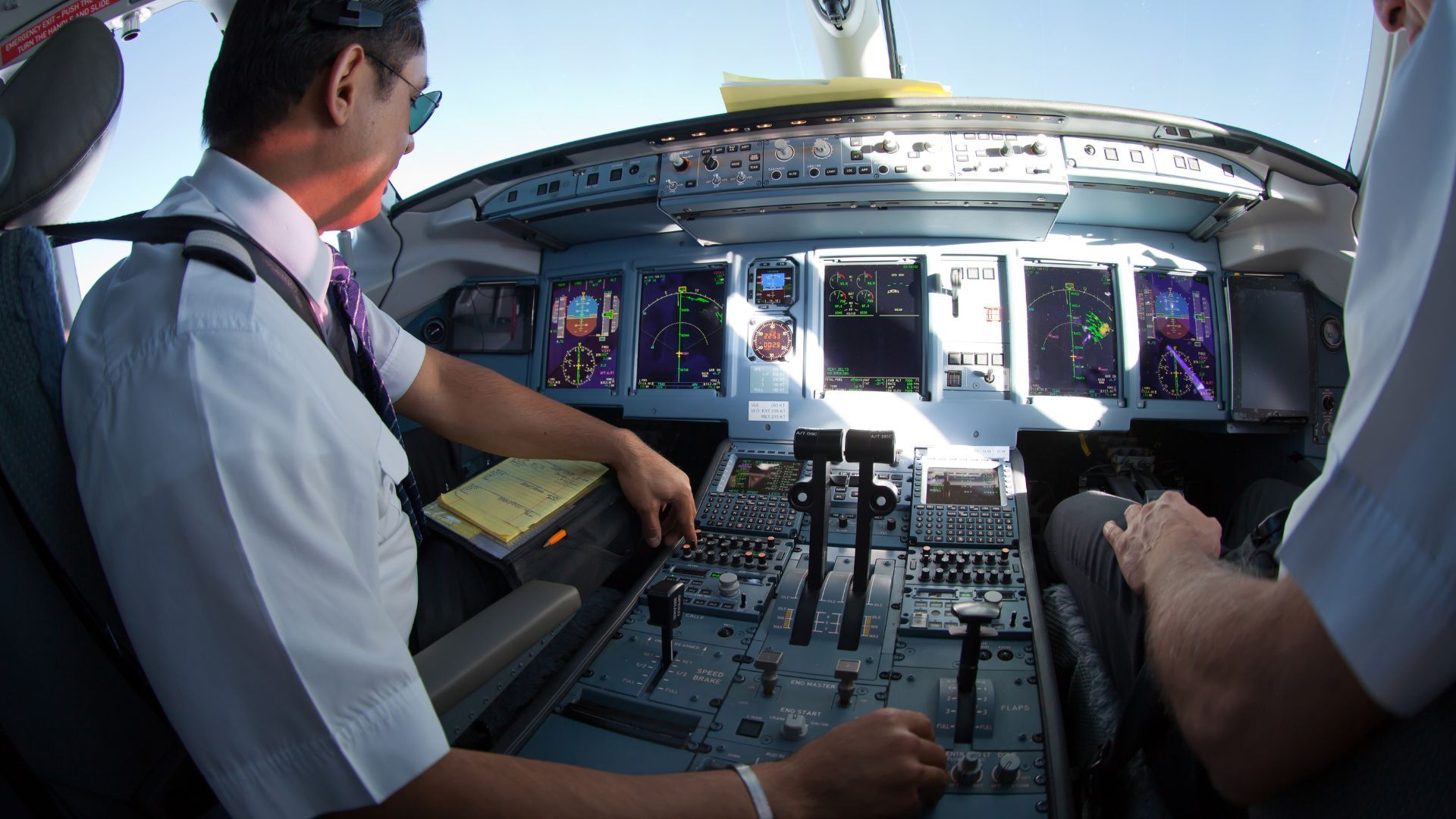
MEL & MMEL awareness training
The Master Minimum Equipment List (MMEL) and
Minimum Equipment List (MEL) training aims to:
This training is taken by flight crews and technicians from many types of operators: airlines, maintenance organizations, flight schools...
Company & group rates
Online
course
1 video + 5 documents
Alain François
1 certificate of completion
40 minutes
€50
Course objectives
The MMEL is an approved document created specifically to regulate the operation of an aircraft type with inoperative equipment. For a specific aircraft type, it sets out which equipment may be inoperative under certain conditions, and it is the basis of the MEL.
This module provides a quick foundation of understanding, ideal before developing or revising a MEL. It is a basic awareness course.
On completion of this training, the learner will be able to:
- Understand the role of the MMEL as the basis of the MEL for an aircraft type.
- Know under which conditions an aircraft may fly with inoperative equipment.
- Identify the operations and maintenance responsibilities related to applying the MEL.
Teaching method
Target audience
Cabin crews.
Air operators and private operators.
Assessment
Multiple-choice assessment.
A certificate of completion.
A personal certificate of completion is issued at the end of the training. It can be added to the learner's training record in line with the operator's policy.
Contents
MMEL policy and procedures, including revisions.
MEL development for operators and type certificate holders, including approval and administration processes.
MMEL/MEL regulatory basis (EASA, FAA).
Reading and interpreting a MMEL and a MEL.
Responsibilities (authorities, manufacturer, operator).
Process for developing and approving an operator MEL.
Benefits
- Understand the role of the MMEL and MEL in flight safety, use minimum equipment lists better day to day, and reduce operational errors related to inoperative equipment.
- Decide faster whether a flight can safely go ahead with a failure.
- Reduce MEL interpretation errors in operations or maintenance.
- Strengthen compliance with EASA/FAA requirements for inoperative equipment.
Prerequisites
Basic knowledge of flight operations or maintenance, or operational experience in an airline or a Part-145 organization.
RECOMMENDED FURTHER TRAINING
EASA Part-CAMO - Continuing Airworthiness
Maintenance programme and continuing airworthiness management.
Why? For teams in charge of maintenance programmes and airworthiness monitoring, so that MMEL/MEL constraints are properly built into planning.
YOUR CERTIFICATE, SIGNED BY A QUALIFIED INSTRUCTOR
Regulatory training. Your certificate is signed by our lead instructor, Alain François, an aviation quality professional for more than 25 years who has held Part-145 certifying staff authorizations. It is accepted by the authorities (DGAC, OSAC) as evidence of regulatory training during organization audits.
More than 4,000 professionals already trained in France and internationally.
Training program
Frequently asked questions about the MMEL & MEL training
1. What is the MEL & MMEL training?
The MEL & MMEL training explains how the Master Minimum Equipment List (MMEL) and the Minimum Equipment List (MEL) work: two regulatory documents that define the minimum equipment required for an aircraft to fly safely with certain equipment inoperative.
2. What is the difference between the MMEL and the MEL?
The MMEL is a generic document approved for a given aircraft type. The MEL is each operator's own operational version, developed from the MMEL and approved by the competent authority.
3. Who is this training for?
It is intended for flight crews, cabin crews, air operators and private operators who want to master the day-to-day use of the MEL.
4. Is the certificate recognized by aviation authorities?
Yes. The personal certificate issued after the multiple-choice test is signed by a qualified instructor and accepted by the authorities (DGAC, OSAC) as evidence of training during audits.
5. How does the training work?
The training is 100% online, in English. It includes 1 video and supplementary documents, for a total duration of about 40 minutes. A certificate of completion is issued at the end of the course.
6. How much does the MEL & MMEL training cost?
7. Which topics does this training cover?
The training covers the legal basis of the MMEL/MEL, MMEL policy and procedures (including revisions), and MEL development for operators, including approval and administration processes.
8. Can an aircraft fly with inoperative equipment?
Yes, under certain conditions defined in the MEL. For each inoperative item, the MEL specifies the operating conditions and maintenance procedures to follow to maintain the required level of safety.
9. Which further courses are recommended?
We recommend the EASA Part-145, EASA Part-CAMO, ETOPS, Part-145 Human Factors & SMS, CRM and LOSA courses, all available on Aero Consulting Online.
10. Can I take the training from any country?
Yes. The training is available online from any country in the world, on a computer, tablet
Alain François